Travel Letters

"I'm not afraid to drive!"

Bangkok

Thailand 

Dear Friends, 

“Aren’t you afraid to drive?”  

A friend of mine asked me that question when we were comparing notes about our travels.   I mentioned that I had recently rented cars in both Morocco and Portugal. 

“No, I am not afraid to drive.” 

Over the past twelve months I have driven around Georgia, Armenia and Azerbaijan.  In Israel I drove from Tel Aviv to Tzfat, but in both directions I must admit, I got terribly lost in the hilly streets of Haifa! 

In case you are wondering, no, I will never drive in Thailand.   Here we drive on the "wrong side" of the road.  (I did manage a successful motor tour of Western Australia several years ago.) 
Coriscada: Countryside Retreat

Casa do Pedrão

Coriscada

Beira Alta

Portugal

May 27, 2013 

My Dear Jan, 

Don’t you think it’s time to take a break? 

No castles today. No climbing.  No photography.  And no Internet! 

Find a remote town in the countryside.  Rent a room in a private home.  Enjoy home cooked meals.   Take a walk down a country road. 

Sounds good, yes? 

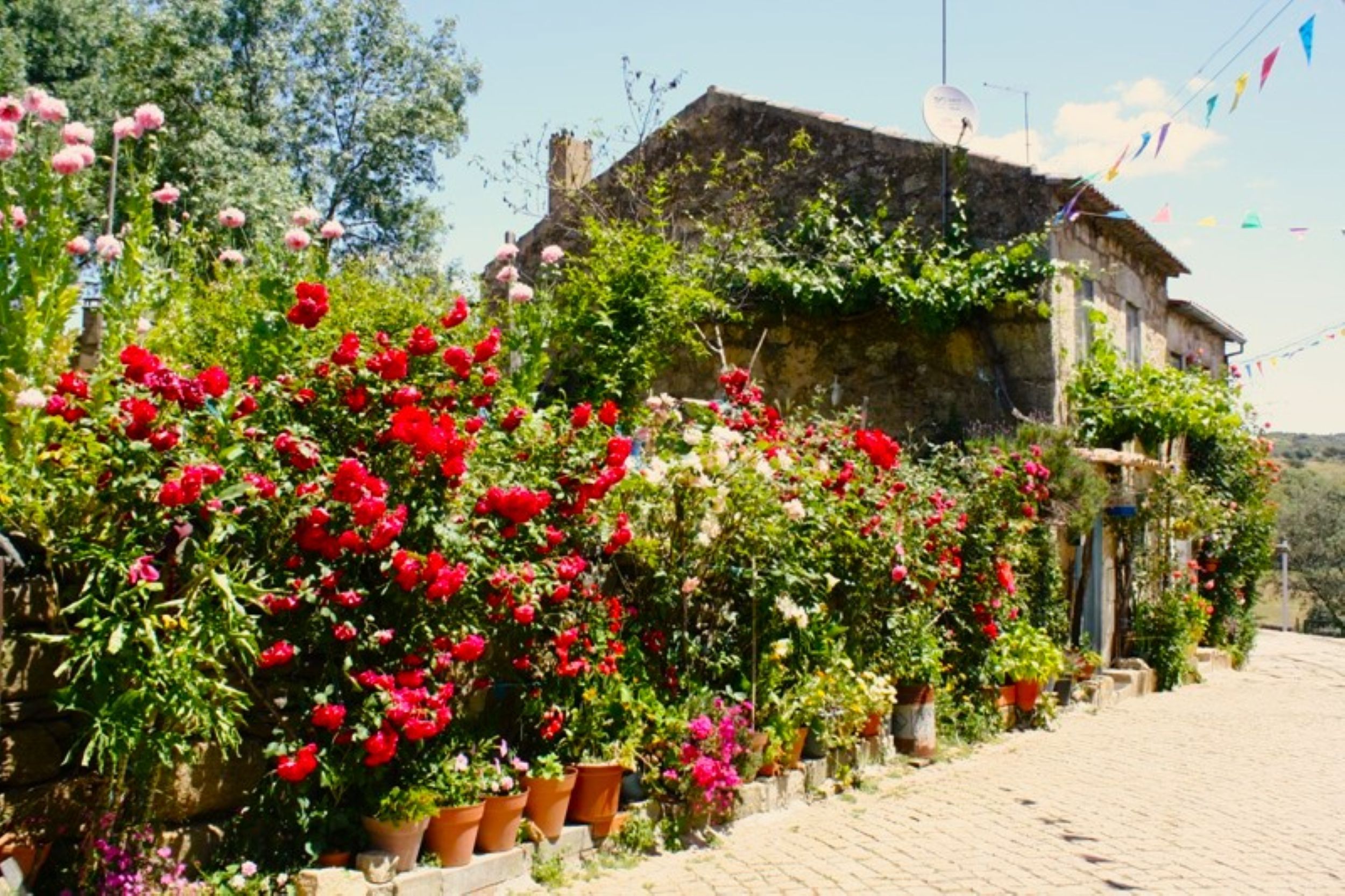
<--break->OK.  OK.  Take a few photos of the farmland. 
Check the mail?  But just for a minute. 

Jan, you are incorrigible. 

Can’t you please relax for a day?  

Try your best. 

Your traveling companion and loyal friend, 

Uncle Jan 


Alto Alentejo to Beira Baixa

Alto Alentejo – Beira Baixa

Portugal

May 24, 2013 

On the road. 

From the Upper Alentejo Province, across the Río Tejo to Lower Baixi.

Let’s face it.   I can read a hundred guidebooks.  But as I am an independent traveler with a life-style part casual or “cavalier” as I was once told, and part impulsive, part impatient, part lazy, and even somewhat disorganized, I never really never know what I’ll find, when I go wherever it is I decide to go on any given day.   That is, if I decide to go anywhere.  Why not just hang around awhile? Admire the scenery.  Order a coffee.   Chat. 


Take for example,Vila Viçosa.  The guidebook tells me that this is a lovely town famous for the marble quarries and sculpture.  I didn’t see much of the town itself (impatient?) but the cemetery was crammed with marble monuments.  Nearby was a large church and nearby a medieval castle built on the foundation of a Roman fortress – the columns and carvings provide the clues for the ancient history here. 

Elvas is my next stop.  I am here to see the 17th Century aqueduct.  I also find a bright town with an enormous central plaza decorated with Portuguese style artistic pavements.   Best of all, I chat with several new friends – young university students who insist I visit them again. 

Driving north I pause at El ríoTejo, the longest river on the Iberian Peninsula.  El  Tego (the Tagus) rises in Spain and flows west, across the border of Portugal, and continues west and then south to empty into the Atlantic Ocean at Lisbon. 

At this point in the river’s journey, the current is serene.  The mirror-like water reflects the green of the hills and the bright blue of the sky.  The placid scene belies the disagreements, disputes and battles that took place between the Iberian neighbors.

Idanha-a-Velha is one of the oldest towns in Portugal with recorded settlement back to the Romans.   For two thousand years, the town was repeatedly invaded and looted.   Now a quiet place with less than 100 inhabitants, the town is surely of interest to historians and archeologists.  But for this “casual” traveler, the ruins are mostly in ruins.

So what do I find on this (finally!) warm and sunny day as I wander through the residential area?  Flowers! Flowers, everywhere.  And for good measure, storks!

In 1938, Monsanto was voted “the country’s most Portuguese village.”  I hike the path through town and attempt to climb the boulder strewn trail up the mountain to the castle at the top. 

So, what tempts this lazy and impulsive traveler halfway up the mountain?  A small handwritten sign.  “Terraço Panorâmico!” Sandwich. Dessert. Coffee.  And the view from the terrace?  Panoramic!  

The castle?  Maybe next time.  

Alice was right.  I do have a “cavalier” life-style.


Coimbra: Roman Ruins and Mosaics

Coimbra

Lusitania

XXIX Maii MMXIII

Salve,

The Ancient Romans sure left us a lot of good stuff.  

Derived from Latin, the Romance languages, for example.   The five most widely spoken are: 

Italian, Spanish, French, Portuguese and Romanian.  (The French don’t have a monopoly on ”romance.”) 

But let’s not forget other Latin derived languages: 

Aragonese, Aromanian, Arptan, Asturian, Catalan (Recently I met a man from Barcelona who insisted on speaking his native language of Catalan.), Corsican, Emiliano-Romagnolo, Friulan, Galician, Ladro, Leonese, Lombard, Mirandese, Neapolitan, Occitan, Piedmontese, Romanish, Sardinian, Sicilian, Venetian and Walloon.  (Of course, you know where they speak Walloon to this very day?) 

Our childhood language comes to mind: porcum Latin dicta. 

How could we have succeeded in our alma mater without those all-important Latin abbreviations:  et al, op cit, sic, ad lib, ibid, et seq, stat, etc, etc, etc. 

Didn’t you always wonder what SPQR meant when you saw those letters engraved on buildings or on shields in feature films about ancient Rome? 

Do you know the MGM lion? He roars incorrect grammar.   My Latin teacher pointed out that Ars Artis Gratia is the proper phrase, but maybe not so esthetically pleasing on the screen. 

And what about the Roman ruins all over the place?  I have seen them in Europe, the Middle East and North Africa.  My favorite site is Jerash in the north of Jordan with not one but two theaters. One large, one small – the Roman version of Broadway and off-Broadway?  Numbers are carved on the rows in the VIP section.  You guessed it, in Roman numerals.  Et tu Brute? 

Speaking of Roman numbers, what’s with the movie companies and the copyright date? MMXIII?  Maybe the movie moguls were prejudiced against Arabic numerals?  2013 works for me.   Q.E.D.

O tempora! O mores! 

Amicus tuus, 

Janus Robertus 

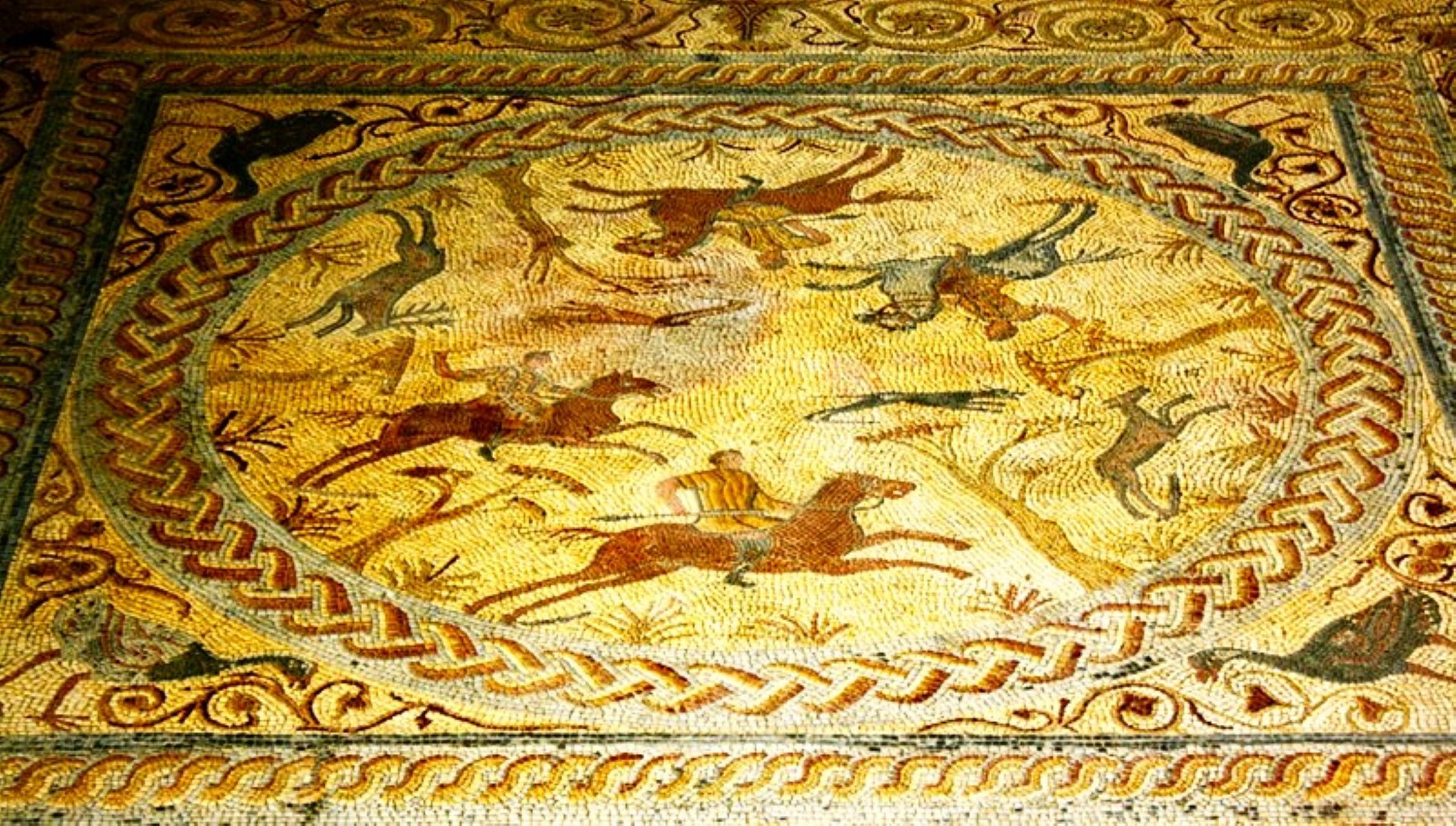
Post Scriptum:  I almost forgot … Please follow the link to the Roman ruins at Conimbriga, Portugal – one of the best preserved Roman sites on the Iberian Peninsula.   I couldn’t find any carved numerals, but there are more than enough mosaics to keep the art historians happy. 

Ave atque vale


Guadalupe: Neolithic Megaliths

Guadalupe

Alto Alentejo

Portugal

May 21, 2013

Dear Friends,

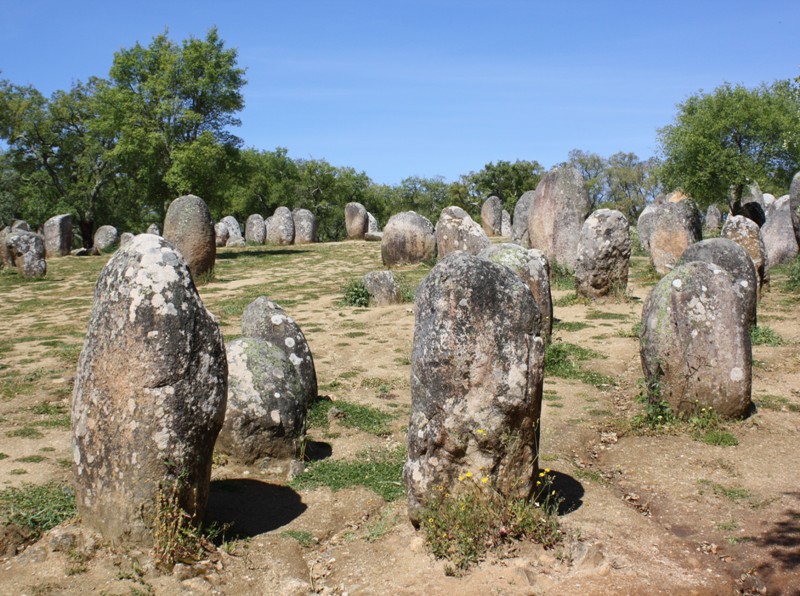
I follow the directions in my guidebook and drive west from Évora on the old Lisbon Road (N114), and then turn south to Guadalupe.  I follow the signs from there, down a pitted, gauged out dirt road to the Cromeleque dos Almendres.  

This morning, I will not be visiting a 700 year old castle.  Instead, my destination is a pre-historic sacred site, 7000 years old.

Surrounded by a landscape of olive trees and cork trees, I stroll among a circular group of one hundred Ancient Neolithic megaliths.  

The Alentejo: A Trio of Castles

The Alentejo

Portugal

May 23, 2013

A Trio of Castles

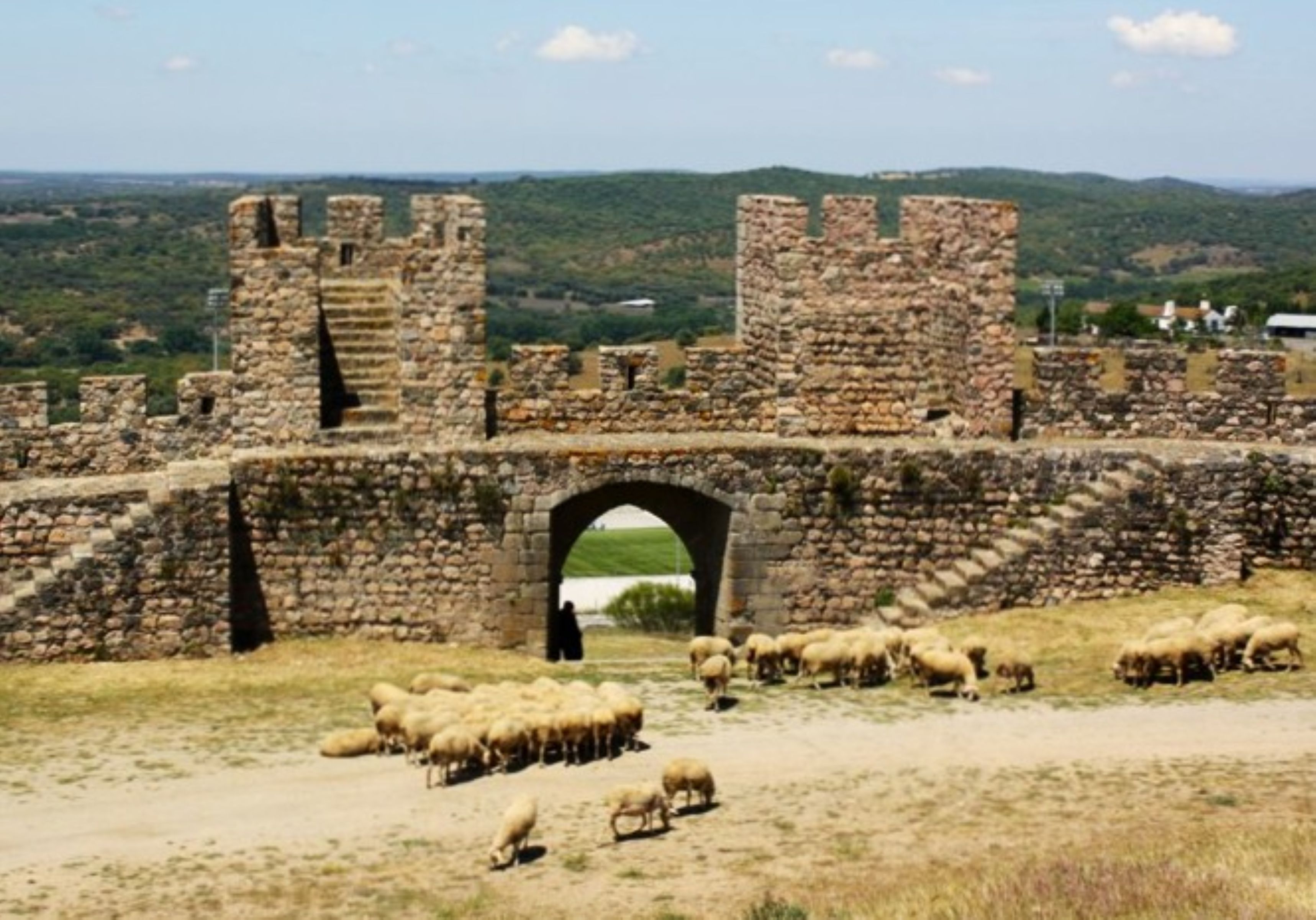
The Alentejo Region in central Portugal is the largest region in the country.   It stretches from the Atlantic coast to the Spanish border.  As a result of its history and strategic location, the Alentejo is dotted with medieval castles.

I drove through the central and eastern areas of Alentejo, across plains and over hills, to cities, towns and villages.  The country roads and the modern highways are all excellent and mostly empty of traffic.

I visited three castles.

Pages